
Reckless - Official Website
Decaying In Obscurity |
Japan
 |
|---|
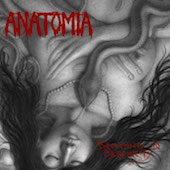

Type: Full-Length
Release Date: August 27th, 2012
Label: Nuclear War Now! Productions
Genre: Death, Doom
1.
Creeping Chaos
2.
The Great Old Ones
3.
Dead but Dreaming In The Eternal Key Waste
4.
The Elder Gods Awakening
5.
In The Mists Of Orion's Sword
6.
Taken Away By The Torn Black Shroud
7.
Concience In Evil
8.
Through The Dark Nebula
1.
Agios o Baphomet
2.
Cosmophobos
3.
Anagnorisis (Descensus ad Inferos Gnosis)
Review by Felix on October 4, 2020.
Nehёmah from France was a band that split up after three albums. Its legacy has some great moments, but I cannot hide the feeling that their musical competence never reached the level of their spirituality. The black-and-white aesthetics, the minimalistic booklet, the pure design of their material and the lyrics always indicated greater things to come than those that the band really offered. Light of a Dead Star was a good debut, no less, but also no more.
Why does the album not completely work? Well, first of all, the band has no feeling for compactness. I don’t say that 'Misty Swamps' lacks substance, but it would have been a great idea to bring it to an end after seven or eight minutes. The real configuration (the song crosses the twelve-minutes-mark) is simply too long and the following atmospheric outro also does not add much value to the full-length. (By the way, its name '…in the Heat of the Flames' is misleading, because to me it rather sounds like it’s raining during the complete outro, if I am not mistaken. But maybe I should ignore such details.) But intro and outro aside, we have six songs that result in a playtime of 49 minutes and I can only say that these technical parameters are rather a handicap than an appetizer. However, the first regular song (simultaneously the title track) causes a vehement Norway-influenced storm which illustrates that Nehёmah consists of men of conviction. Despite the well-known icy guitar leads, the horde tries to score with originality. The bass guitar gets room to play a prominent role, but its lines are overly simple and pretty boring. Anyway, the title track features more or less pure violence.
The dignified 'Nehёmah in Vuelva Infernum' shows the other side of the band. A dark riff carries the entire song. It creeps maliciously onwards, aware of its own inner strength and nightly aura. This kind of doomy black metal depends crucially on the quality of its riffing and fortunately, the French quartet does everything right here. Even the rather unspectacular drumming contributes to the overwhelming appearance of the song. So let the sinister vibes take you away… and realize that the strong and mid-harsh 'Across the Landscape' also holds a fantastic atmospheric instrumental part where the usual soundscape is supported by mystical keyboard sounds. Thus, it’s only logical that 'In October Nightshades' does not intend to stand in the shadows of these highlights. It offers a nice mix of pretty ravenous wrath and wicked, mid-paced meanness.
A lot of things on this debut point in the right direction. The mostly guttural vocals, the general musical understanding that brings some spooky melodies to light, the technical skills, the adequately blurred yet somewhat ghostly production – all these elements work. Nevertheless, the full-length does not breathe the air at the top of the mountain. A few parts have become too excessive and due to this, they lose some percent of their power. But don’t get me wrong - if you like to dig out a black metal work from France without 10.000 musical experiments, this one could be the right thing for you.
Rating: 7.5 out of 10
1.10kReview by Felix on October 4, 2020.
Nehёmah from France was a band that split up after three albums. Its legacy has some great moments, but I cannot hide the feeling that their musical competence never reached the level of their spirituality. The black-and-white aesthetics, the minimalistic booklet, the pure design of their material and the lyrics always indicated greater things to come than those that the band really offered. Light of a Dead Star was a good debut, no less, but also no more.
Why does the album not completely work? Well, first of all, the band has no feeling for compactness. I don’t say that 'Misty Swamps' lacks substance, but it would have been a great idea to bring it to an end after seven or eight minutes. The real configuration (the song crosses the twelve-minutes-mark) is simply too long and the following atmospheric outro also does not add much value to the full-length. (By the way, its name '…in the Heat of the Flames' is misleading, because to me it rather sounds like it’s raining during the complete outro, if I am not mistaken. But maybe I should ignore such details.) But intro and outro aside, we have six songs that result in a playtime of 49 minutes and I can only say that these technical parameters are rather a handicap than an appetizer. However, the first regular song (simultaneously the title track) causes a vehement Norway-influenced storm which illustrates that Nehёmah consists of men of conviction. Despite the well-known icy guitar leads, the horde tries to score with originality. The bass guitar gets room to play a prominent role, but its lines are overly simple and pretty boring. Anyway, the title track features more or less pure violence.
The dignified 'Nehёmah in Vuelva Infernum' shows the other side of the band. A dark riff carries the entire song. It creeps maliciously onwards, aware of its own inner strength and nightly aura. This kind of doomy black metal depends crucially on the quality of its riffing and fortunately, the French quartet does everything right here. Even the rather unspectacular drumming contributes to the overwhelming appearance of the song. So let the sinister vibes take you away… and realize that the strong and mid-harsh 'Across the Landscape' also holds a fantastic atmospheric instrumental part where the usual soundscape is supported by mystical keyboard sounds. Thus, it’s only logical that 'In October Nightshades' does not intend to stand in the shadows of these highlights. It offers a nice mix of pretty ravenous wrath and wicked, mid-paced meanness.
A lot of things on this debut point in the right direction. The mostly guttural vocals, the general musical understanding that brings some spooky melodies to light, the technical skills, the adequately blurred yet somewhat ghostly production – all these elements work. Nevertheless, the full-length does not breathe the air at the top of the mountain. A few parts have become too excessive and due to this, they lose some percent of their power. But don’t get me wrong - if you like to dig out a black metal work from France without 10.000 musical experiments, this one could be the right thing for you.
Rating: 7.5 out of 10
1.10kReview by Mandeep Arora on April 21, 2024.
For all its similarities, King Diamond the band is a stylistic departure from the classic Mercyful Fate sound - the songs get shorter, less progressive and more defined (verses and choruses, the like) and the lyrical themes change from the occult to full-fledged ghost stories. Or possessed chains. Or puppet masters... Admittedly, King Diamond is a more grandiose, more theatrical sound to Mercyful Fate's outright diabolical facet but still retains the latter's classic bits: King's signature falsettos (now used more often and in various ranges), great songwriting, and immaculate guitar leads. Fatal Portrait, being their first album, acts like a bridge between the classic Mercyful Fate era that preceded it and the classic King Diamond era that succeeded it, in the sense that it's a slight mix of both the styles and seems experimental in its execution - Halloween with its main riff chugging along the length of the song is very Mercyful Fate-like but the other songs fall in line with what is essentially the later King Diamond sound.
It's not a completely conceptual album - only four of the eight songs are dedicated to this young dead girl's story, which is pretty chilling and one of King Diamond’s more underrated ones. Also because he is playing a range of characters as that of the narrator and the girl child this time, and even other entities on the non-conceptual songs, he experiments a lot with his vocals, singing in a certain voice one moment, then switching to a completely different one the other. It seems to work for the better part but also comes across as slightly awkward and out of place at times. You can attribute this to the vocal shifts being sudden and, sometimes, abrupt, meaning that you'll be least prepared when it happens, thus blighting your initial listening experience. This is especially highlighted on the shorter non-conceptual songs like Dressed in White and Charon, or even Haunted, which is related to and concludes the main story. If you want to get accustomed to King's vocal style, then Abigail and The Eye best serve that purpose; Fatal Portrait does not seem like the ideal starting point to get into the band.
The album starts off strong - the first three songs lend it more than half its credibility and elevate to make it a good listening experience already. The organs, keyboards and synthesisers take center stage, initially at least, to realise the story's demands and there's stronger emphasis on atmosphere to accentuate that feeling of eerie and spookiness. They do accomplish that effect, but whether it sounds legitimately scary or stupidly cheesy depends on your train of thought; I think I occupy the middle ground here. The production may be a bit muffled but it amplifies the atmospheric traits and has an odd charm to it. King's vocal harmonies play a huge role too, and he actually sounds majestic and mesmerising on choruses, where his falsettos lend a certain melody to the sound that's unique only to him and his style. I think The Jonah captures that essence beautifully and is also my personal favourite song here - its progressive composition builds up nicely, and the riveting outro with its never-ending stream of slower, atmospheric riffs has an almost hypnotising effect on you.
In comparison, other songs seem pretty straightforward, with prominence on King Diamond's signature trait: guitar melodies. Abundance of them. The leads go from being graceful and elegant on the longer songs to frenetic yet soulful on the shorter ones. There's no dearth of badass riffs that are plenty fast and traverse between power and speed metal styles and sometimes in line with traditional heavy metal. Mickey Dee's ever-present behind the drums to breathe immeasurable gusto into the sound and while his moment under the sun as a monstrous force of nature wouldn't come until Abigail, the sheer power he lends to the music here is what made King Diamond an absolute unit of a band in its early years. On the other hand, Timi Hansen with his basslines maintains a restrained approach of less is more for the better part of the album but hearing him rip it apart in concurrence with the final guitar melodies on The Portrait is one of metal's many delights and probably my favourite moment on the album. Skeptical Mercyful Fate fans rejoice, you have not been let down!
But let down you may be once the story takes a pause and the shorter songs come into play, as the album then begins to lose some steam. Mind you, these are pretty fun songs in isolation but their awkward placement makes them seem somewhat directionless and abrupt, now not seeming a collective unit as an album but rather as individual songs with varying directions. It's a minor, and maybe a very personal, niggle and most people may not notice or care altogether. And it does not seem to shroud the good bits, of which there are plenty. Mercyful Fate may have been the beginning of the legend but King Diamond is what made them boys a household name - one couldn't argue the appeal and novelty of evocative and saturated album covers, chilling and well-written story concepts, creepy and iconic characters, and whimsical, over-the-top concerts. Fatal Portrait is the embodiment of all that - a fantastic debut in nearly every way that laid the foundation for the band's future, and even better, classics.
Rating: 8.5 out of 10
1.10kReview by Faithless on January 8, 2021.
To start, I don't think King Diamond needs an introduction; many of the reviews previously posted have done so. I will go directly to business; however, I have to address something first: Fatal Portrait is NOT Mercyful Fate's third album as some fanboys like to say. We need to understand that although the frontman of both bands is the same, the personification tends to be also alike and even the voice resembles both acts; Fatal Portrait doesn't intend to be a sequel of Mercyful Fate's previous work. I strongly believe the album stands alone as the beginning of what in my opinion is the groundwork for the most important heavy metal concept albums of the 80s, such as Abigail, Them, and Conspiracy.
King Diamond's over the top vocals are undoubtedly recognizable and that was the driving force as well as the natural transition of Fate's fans to embrace the new project. As I said before, both bands share certain similarities but I think the sound developed in Fatal Portrait demonstrated a more melodic music approach, variety of vocal textures and songwriting, and the first attempt of horror narrative. For instance, 'Haunted' and 'Lurking in the Dark' display plenty of melodies both in King's vocal acrobatics and La Rocque/Denner guitars duo. On the other hand, there are also more straightforward rocker songs like 'Charon' and 'Halloween'. King did not want to live in the shadow of Mercyful Fate and that's something you can tell in the Fatal Portrait song-writing variety. In the version I’m reviewing we can find two bonus tracks; 'No Presents for Christmas' and 'The Lake'. These songs were not included in the original release but I think complement the album well. For example, 'No Presents for Christmas' was issued as a holiday single and shows a humorous side in King´s songwriting skills (something that was not very likely to happen on a Mercyful Fate record). Fatal Portrait takes you on a trip over the seas of energetic music as well as bombastic and melodic tunes that are memorable; full of hooks and sudden changes in the rhythmic section lead by Mikkey Dee and Tim Hansen. The overall sound is loyal to the heavy metal ideals of the 80s without being too cheesy or stereotypical (no hair metal here only straight forward metallic tunes)
Let's get into a brief song by song description of the album. 'The Candle' casts you on a spell with a short intro full of a church like keyboards and the demonic voice introducing us into the horror tale. Then, you hear King's falsetto mixed with the guitar melody and there is no escape; you are trapped into the musical madness. In my opinion, King's vocals are an acquired taste, you love them or hate them but there is no middle point. In my case, I think the vocals fit perfectly with the music's approach and mood, he is a narrator and the different textures included in this recording (highs, over the top highs, lows, evil laughter, etc.) help to get you hooked into the horror tale dynamics. Next, 'The Jonah' also starts with a short intro with some spoken words, similar to the first track but taking a more mid-tempo focus at the beginning to end up changing gear into faster passages. 'The Portrait' is perhaps one of the most melodic driven songs on Fatal Portrait delivering godly guitar riffs and solos that position Andy and Michael as flawless eighties shredders. Then, we have 'Dressed In White' to close side A of the album. This song keeps up with the general melodic/bombastic vibe of the record and demonstrates the unique vocal style that King Diamond possesses. Unfortunately, if I have to say something negative about Fatal Portrait it would be the lack of cohesion between the horror tale and the stand-alone songs. The concept album was still not clear due to the inclusion of stand-alone songs like 'Charon', 'Lurking in the Dark' and 'Halloween'. These songs are great but kind of break up the flow of the horror tale being narrated by the King himself. The fact that there is a gap between 'Dressed In White' and 'Haunted' is a bummer and cuts the narrative in some way. However, the story is mesmerizing and sat the basis for what was coming on Abigail. The five-song cycle, beginning in 'The Candle' and finishing with 'Haunted' tells the story of a haunted portrait (and a haunted candle) and the music dynamics match perfectly with the moods of the story. The album itself is heavily influenced by horror movies and the shock rock work of Alice Cooper. Another argument that detaches Fatal Portrait from the more satanic oriented lyrics in "Melissa" and "Don´t Break the Oath".
All things considered, there is no doubt that this record is one of the foundations for future concept albums not only released by King Diamond but also influential for hundreds of metal bands yet to come. Despite the concept album is not achieved due to the lack of coherence in some parts of the album or maybe the tracklist was not properly organized. Fatal Portrait contains more pros than cons and has aged with dignity through the years, showcasing a top line-up with some war veterans recruited from Mercyful Fate's machinery (Tim Hansen and Michael Denner). Let’s not forget the hell of a show that this band put together when they hit the stage, King's theatricals fit like a glove into the whole horror concept approach distancing themselves from the more straightforward satanic/occult Mercyful Fate style. In the end, Fatal Portrait stands as the first candle in the candelabrum of great albums that the band released during the 80s and part of the 90s.
Rating: 9.5 out of 10
1.10kReview by Mandeep Arora on April 21, 2024.
For all its similarities, King Diamond the band is a stylistic departure from the classic Mercyful Fate sound - the songs get shorter, less progressive and more defined (verses and choruses, the like) and the lyrical themes change from the occult to full-fledged ghost stories. Or possessed chains. Or puppet masters... Admittedly, King Diamond is a more grandiose, more theatrical sound to Mercyful Fate's outright diabolical facet but still retains the latter's classic bits: King's signature falsettos (now used more often and in various ranges), great songwriting, and immaculate guitar leads. Fatal Portrait, being their first album, acts like a bridge between the classic Mercyful Fate era that preceded it and the classic King Diamond era that succeeded it, in the sense that it's a slight mix of both the styles and seems experimental in its execution - Halloween with its main riff chugging along the length of the song is very Mercyful Fate-like but the other songs fall in line with what is essentially the later King Diamond sound.
It's not a completely conceptual album - only four of the eight songs are dedicated to this young dead girl's story, which is pretty chilling and one of King Diamond’s more underrated ones. Also because he is playing a range of characters as that of the narrator and the girl child this time, and even other entities on the non-conceptual songs, he experiments a lot with his vocals, singing in a certain voice one moment, then switching to a completely different one the other. It seems to work for the better part but also comes across as slightly awkward and out of place at times. You can attribute this to the vocal shifts being sudden and, sometimes, abrupt, meaning that you'll be least prepared when it happens, thus blighting your initial listening experience. This is especially highlighted on the shorter non-conceptual songs like Dressed in White and Charon, or even Haunted, which is related to and concludes the main story. If you want to get accustomed to King's vocal style, then Abigail and The Eye best serve that purpose; Fatal Portrait does not seem like the ideal starting point to get into the band.
The album starts off strong - the first three songs lend it more than half its credibility and elevate to make it a good listening experience already. The organs, keyboards and synthesisers take center stage, initially at least, to realise the story's demands and there's stronger emphasis on atmosphere to accentuate that feeling of eerie and spookiness. They do accomplish that effect, but whether it sounds legitimately scary or stupidly cheesy depends on your train of thought; I think I occupy the middle ground here. The production may be a bit muffled but it amplifies the atmospheric traits and has an odd charm to it. King's vocal harmonies play a huge role too, and he actually sounds majestic and mesmerising on choruses, where his falsettos lend a certain melody to the sound that's unique only to him and his style. I think The Jonah captures that essence beautifully and is also my personal favourite song here - its progressive composition builds up nicely, and the riveting outro with its never-ending stream of slower, atmospheric riffs has an almost hypnotising effect on you.
In comparison, other songs seem pretty straightforward, with prominence on King Diamond's signature trait: guitar melodies. Abundance of them. The leads go from being graceful and elegant on the longer songs to frenetic yet soulful on the shorter ones. There's no dearth of badass riffs that are plenty fast and traverse between power and speed metal styles and sometimes in line with traditional heavy metal. Mickey Dee's ever-present behind the drums to breathe immeasurable gusto into the sound and while his moment under the sun as a monstrous force of nature wouldn't come until Abigail, the sheer power he lends to the music here is what made King Diamond an absolute unit of a band in its early years. On the other hand, Timi Hansen with his basslines maintains a restrained approach of less is more for the better part of the album but hearing him rip it apart in concurrence with the final guitar melodies on The Portrait is one of metal's many delights and probably my favourite moment on the album. Skeptical Mercyful Fate fans rejoice, you have not been let down!
But let down you may be once the story takes a pause and the shorter songs come into play, as the album then begins to lose some steam. Mind you, these are pretty fun songs in isolation but their awkward placement makes them seem somewhat directionless and abrupt, now not seeming a collective unit as an album but rather as individual songs with varying directions. It's a minor, and maybe a very personal, niggle and most people may not notice or care altogether. And it does not seem to shroud the good bits, of which there are plenty. Mercyful Fate may have been the beginning of the legend but King Diamond is what made them boys a household name - one couldn't argue the appeal and novelty of evocative and saturated album covers, chilling and well-written story concepts, creepy and iconic characters, and whimsical, over-the-top concerts. Fatal Portrait is the embodiment of all that - a fantastic debut in nearly every way that laid the foundation for the band's future, and even better, classics.
Rating: 8.5 out of 10
1.10kReview by Faithless on January 8, 2021.
To start, I don't think King Diamond needs an introduction; many of the reviews previously posted have done so. I will go directly to business; however, I have to address something first: Fatal Portrait is NOT Mercyful Fate's third album as some fanboys like to say. We need to understand that although the frontman of both bands is the same, the personification tends to be also alike and even the voice resembles both acts; Fatal Portrait doesn't intend to be a sequel of Mercyful Fate's previous work. I strongly believe the album stands alone as the beginning of what in my opinion is the groundwork for the most important heavy metal concept albums of the 80s, such as Abigail, Them, and Conspiracy.
King Diamond's over the top vocals are undoubtedly recognizable and that was the driving force as well as the natural transition of Fate's fans to embrace the new project. As I said before, both bands share certain similarities but I think the sound developed in Fatal Portrait demonstrated a more melodic music approach, variety of vocal textures and songwriting, and the first attempt of horror narrative. For instance, 'Haunted' and 'Lurking in the Dark' display plenty of melodies both in King's vocal acrobatics and La Rocque/Denner guitars duo. On the other hand, there are also more straightforward rocker songs like 'Charon' and 'Halloween'. King did not want to live in the shadow of Mercyful Fate and that's something you can tell in the Fatal Portrait song-writing variety. In the version I’m reviewing we can find two bonus tracks; 'No Presents for Christmas' and 'The Lake'. These songs were not included in the original release but I think complement the album well. For example, 'No Presents for Christmas' was issued as a holiday single and shows a humorous side in King´s songwriting skills (something that was not very likely to happen on a Mercyful Fate record). Fatal Portrait takes you on a trip over the seas of energetic music as well as bombastic and melodic tunes that are memorable; full of hooks and sudden changes in the rhythmic section lead by Mikkey Dee and Tim Hansen. The overall sound is loyal to the heavy metal ideals of the 80s without being too cheesy or stereotypical (no hair metal here only straight forward metallic tunes)
Let's get into a brief song by song description of the album. 'The Candle' casts you on a spell with a short intro full of a church like keyboards and the demonic voice introducing us into the horror tale. Then, you hear King's falsetto mixed with the guitar melody and there is no escape; you are trapped into the musical madness. In my opinion, King's vocals are an acquired taste, you love them or hate them but there is no middle point. In my case, I think the vocals fit perfectly with the music's approach and mood, he is a narrator and the different textures included in this recording (highs, over the top highs, lows, evil laughter, etc.) help to get you hooked into the horror tale dynamics. Next, 'The Jonah' also starts with a short intro with some spoken words, similar to the first track but taking a more mid-tempo focus at the beginning to end up changing gear into faster passages. 'The Portrait' is perhaps one of the most melodic driven songs on Fatal Portrait delivering godly guitar riffs and solos that position Andy and Michael as flawless eighties shredders. Then, we have 'Dressed In White' to close side A of the album. This song keeps up with the general melodic/bombastic vibe of the record and demonstrates the unique vocal style that King Diamond possesses. Unfortunately, if I have to say something negative about Fatal Portrait it would be the lack of cohesion between the horror tale and the stand-alone songs. The concept album was still not clear due to the inclusion of stand-alone songs like 'Charon', 'Lurking in the Dark' and 'Halloween'. These songs are great but kind of break up the flow of the horror tale being narrated by the King himself. The fact that there is a gap between 'Dressed In White' and 'Haunted' is a bummer and cuts the narrative in some way. However, the story is mesmerizing and sat the basis for what was coming on Abigail. The five-song cycle, beginning in 'The Candle' and finishing with 'Haunted' tells the story of a haunted portrait (and a haunted candle) and the music dynamics match perfectly with the moods of the story. The album itself is heavily influenced by horror movies and the shock rock work of Alice Cooper. Another argument that detaches Fatal Portrait from the more satanic oriented lyrics in "Melissa" and "Don´t Break the Oath".
All things considered, there is no doubt that this record is one of the foundations for future concept albums not only released by King Diamond but also influential for hundreds of metal bands yet to come. Despite the concept album is not achieved due to the lack of coherence in some parts of the album or maybe the tracklist was not properly organized. Fatal Portrait contains more pros than cons and has aged with dignity through the years, showcasing a top line-up with some war veterans recruited from Mercyful Fate's machinery (Tim Hansen and Michael Denner). Let’s not forget the hell of a show that this band put together when they hit the stage, King's theatricals fit like a glove into the whole horror concept approach distancing themselves from the more straightforward satanic/occult Mercyful Fate style. In the end, Fatal Portrait stands as the first candle in the candelabrum of great albums that the band released during the 80s and part of the 90s.
Rating: 9.5 out of 10
1.10kReview by Mandeep Arora on April 21, 2024.
For all its similarities, King Diamond the band is a stylistic departure from the classic Mercyful Fate sound - the songs get shorter, less progressive and more defined (verses and choruses, the like) and the lyrical themes change from the occult to full-fledged ghost stories. Or possessed chains. Or puppet masters... Admittedly, King Diamond is a more grandiose, more theatrical sound to Mercyful Fate's outright diabolical facet but still retains the latter's classic bits: King's signature falsettos (now used more often and in various ranges), great songwriting, and immaculate guitar leads. Fatal Portrait, being their first album, acts like a bridge between the classic Mercyful Fate era that preceded it and the classic King Diamond era that succeeded it, in the sense that it's a slight mix of both the styles and seems experimental in its execution - Halloween with its main riff chugging along the length of the song is very Mercyful Fate-like but the other songs fall in line with what is essentially the later King Diamond sound.
It's not a completely conceptual album - only four of the eight songs are dedicated to this young dead girl's story, which is pretty chilling and one of King Diamond’s more underrated ones. Also because he is playing a range of characters as that of the narrator and the girl child this time, and even other entities on the non-conceptual songs, he experiments a lot with his vocals, singing in a certain voice one moment, then switching to a completely different one the other. It seems to work for the better part but also comes across as slightly awkward and out of place at times. You can attribute this to the vocal shifts being sudden and, sometimes, abrupt, meaning that you'll be least prepared when it happens, thus blighting your initial listening experience. This is especially highlighted on the shorter non-conceptual songs like Dressed in White and Charon, or even Haunted, which is related to and concludes the main story. If you want to get accustomed to King's vocal style, then Abigail and The Eye best serve that purpose; Fatal Portrait does not seem like the ideal starting point to get into the band.
The album starts off strong - the first three songs lend it more than half its credibility and elevate to make it a good listening experience already. The organs, keyboards and synthesisers take center stage, initially at least, to realise the story's demands and there's stronger emphasis on atmosphere to accentuate that feeling of eerie and spookiness. They do accomplish that effect, but whether it sounds legitimately scary or stupidly cheesy depends on your train of thought; I think I occupy the middle ground here. The production may be a bit muffled but it amplifies the atmospheric traits and has an odd charm to it. King's vocal harmonies play a huge role too, and he actually sounds majestic and mesmerising on choruses, where his falsettos lend a certain melody to the sound that's unique only to him and his style. I think The Jonah captures that essence beautifully and is also my personal favourite song here - its progressive composition builds up nicely, and the riveting outro with its never-ending stream of slower, atmospheric riffs has an almost hypnotising effect on you.
In comparison, other songs seem pretty straightforward, with prominence on King Diamond's signature trait: guitar melodies. Abundance of them. The leads go from being graceful and elegant on the longer songs to frenetic yet soulful on the shorter ones. There's no dearth of badass riffs that are plenty fast and traverse between power and speed metal styles and sometimes in line with traditional heavy metal. Mickey Dee's ever-present behind the drums to breathe immeasurable gusto into the sound and while his moment under the sun as a monstrous force of nature wouldn't come until Abigail, the sheer power he lends to the music here is what made King Diamond an absolute unit of a band in its early years. On the other hand, Timi Hansen with his basslines maintains a restrained approach of less is more for the better part of the album but hearing him rip it apart in concurrence with the final guitar melodies on The Portrait is one of metal's many delights and probably my favourite moment on the album. Skeptical Mercyful Fate fans rejoice, you have not been let down!
But let down you may be once the story takes a pause and the shorter songs come into play, as the album then begins to lose some steam. Mind you, these are pretty fun songs in isolation but their awkward placement makes them seem somewhat directionless and abrupt, now not seeming a collective unit as an album but rather as individual songs with varying directions. It's a minor, and maybe a very personal, niggle and most people may not notice or care altogether. And it does not seem to shroud the good bits, of which there are plenty. Mercyful Fate may have been the beginning of the legend but King Diamond is what made them boys a household name - one couldn't argue the appeal and novelty of evocative and saturated album covers, chilling and well-written story concepts, creepy and iconic characters, and whimsical, over-the-top concerts. Fatal Portrait is the embodiment of all that - a fantastic debut in nearly every way that laid the foundation for the band's future, and even better, classics.
Rating: 8.5 out of 10
1.10kReview by Faithless on January 8, 2021.
To start, I don't think King Diamond needs an introduction; many of the reviews previously posted have done so. I will go directly to business; however, I have to address something first: Fatal Portrait is NOT Mercyful Fate's third album as some fanboys like to say. We need to understand that although the frontman of both bands is the same, the personification tends to be also alike and even the voice resembles both acts; Fatal Portrait doesn't intend to be a sequel of Mercyful Fate's previous work. I strongly believe the album stands alone as the beginning of what in my opinion is the groundwork for the most important heavy metal concept albums of the 80s, such as Abigail, Them, and Conspiracy.
King Diamond's over the top vocals are undoubtedly recognizable and that was the driving force as well as the natural transition of Fate's fans to embrace the new project. As I said before, both bands share certain similarities but I think the sound developed in Fatal Portrait demonstrated a more melodic music approach, variety of vocal textures and songwriting, and the first attempt of horror narrative. For instance, 'Haunted' and 'Lurking in the Dark' display plenty of melodies both in King's vocal acrobatics and La Rocque/Denner guitars duo. On the other hand, there are also more straightforward rocker songs like 'Charon' and 'Halloween'. King did not want to live in the shadow of Mercyful Fate and that's something you can tell in the Fatal Portrait song-writing variety. In the version I’m reviewing we can find two bonus tracks; 'No Presents for Christmas' and 'The Lake'. These songs were not included in the original release but I think complement the album well. For example, 'No Presents for Christmas' was issued as a holiday single and shows a humorous side in King´s songwriting skills (something that was not very likely to happen on a Mercyful Fate record). Fatal Portrait takes you on a trip over the seas of energetic music as well as bombastic and melodic tunes that are memorable; full of hooks and sudden changes in the rhythmic section lead by Mikkey Dee and Tim Hansen. The overall sound is loyal to the heavy metal ideals of the 80s without being too cheesy or stereotypical (no hair metal here only straight forward metallic tunes)
Let's get into a brief song by song description of the album. 'The Candle' casts you on a spell with a short intro full of a church like keyboards and the demonic voice introducing us into the horror tale. Then, you hear King's falsetto mixed with the guitar melody and there is no escape; you are trapped into the musical madness. In my opinion, King's vocals are an acquired taste, you love them or hate them but there is no middle point. In my case, I think the vocals fit perfectly with the music's approach and mood, he is a narrator and the different textures included in this recording (highs, over the top highs, lows, evil laughter, etc.) help to get you hooked into the horror tale dynamics. Next, 'The Jonah' also starts with a short intro with some spoken words, similar to the first track but taking a more mid-tempo focus at the beginning to end up changing gear into faster passages. 'The Portrait' is perhaps one of the most melodic driven songs on Fatal Portrait delivering godly guitar riffs and solos that position Andy and Michael as flawless eighties shredders. Then, we have 'Dressed In White' to close side A of the album. This song keeps up with the general melodic/bombastic vibe of the record and demonstrates the unique vocal style that King Diamond possesses. Unfortunately, if I have to say something negative about Fatal Portrait it would be the lack of cohesion between the horror tale and the stand-alone songs. The concept album was still not clear due to the inclusion of stand-alone songs like 'Charon', 'Lurking in the Dark' and 'Halloween'. These songs are great but kind of break up the flow of the horror tale being narrated by the King himself. The fact that there is a gap between 'Dressed In White' and 'Haunted' is a bummer and cuts the narrative in some way. However, the story is mesmerizing and sat the basis for what was coming on Abigail. The five-song cycle, beginning in 'The Candle' and finishing with 'Haunted' tells the story of a haunted portrait (and a haunted candle) and the music dynamics match perfectly with the moods of the story. The album itself is heavily influenced by horror movies and the shock rock work of Alice Cooper. Another argument that detaches Fatal Portrait from the more satanic oriented lyrics in "Melissa" and "Don´t Break the Oath".
All things considered, there is no doubt that this record is one of the foundations for future concept albums not only released by King Diamond but also influential for hundreds of metal bands yet to come. Despite the concept album is not achieved due to the lack of coherence in some parts of the album or maybe the tracklist was not properly organized. Fatal Portrait contains more pros than cons and has aged with dignity through the years, showcasing a top line-up with some war veterans recruited from Mercyful Fate's machinery (Tim Hansen and Michael Denner). Let’s not forget the hell of a show that this band put together when they hit the stage, King's theatricals fit like a glove into the whole horror concept approach distancing themselves from the more straightforward satanic/occult Mercyful Fate style. In the end, Fatal Portrait stands as the first candle in the candelabrum of great albums that the band released during the 80s and part of the 90s.
Rating: 9.5 out of 10
1.10kReview by Mandeep Arora on April 21, 2024.
For all its similarities, King Diamond the band is a stylistic departure from the classic Mercyful Fate sound - the songs get shorter, less progressive and more defined (verses and choruses, the like) and the lyrical themes change from the occult to full-fledged ghost stories. Or possessed chains. Or puppet masters... Admittedly, King Diamond is a more grandiose, more theatrical sound to Mercyful Fate's outright diabolical facet but still retains the latter's classic bits: King's signature falsettos (now used more often and in various ranges), great songwriting, and immaculate guitar leads. Fatal Portrait, being their first album, acts like a bridge between the classic Mercyful Fate era that preceded it and the classic King Diamond era that succeeded it, in the sense that it's a slight mix of both the styles and seems experimental in its execution - Halloween with its main riff chugging along the length of the song is very Mercyful Fate-like but the other songs fall in line with what is essentially the later King Diamond sound.
It's not a completely conceptual album - only four of the eight songs are dedicated to this young dead girl's story, which is pretty chilling and one of King Diamond’s more underrated ones. Also because he is playing a range of characters as that of the narrator and the girl child this time, and even other entities on the non-conceptual songs, he experiments a lot with his vocals, singing in a certain voice one moment, then switching to a completely different one the other. It seems to work for the better part but also comes across as slightly awkward and out of place at times. You can attribute this to the vocal shifts being sudden and, sometimes, abrupt, meaning that you'll be least prepared when it happens, thus blighting your initial listening experience. This is especially highlighted on the shorter non-conceptual songs like Dressed in White and Charon, or even Haunted, which is related to and concludes the main story. If you want to get accustomed to King's vocal style, then Abigail and The Eye best serve that purpose; Fatal Portrait does not seem like the ideal starting point to get into the band.
The album starts off strong - the first three songs lend it more than half its credibility and elevate to make it a good listening experience already. The organs, keyboards and synthesisers take center stage, initially at least, to realise the story's demands and there's stronger emphasis on atmosphere to accentuate that feeling of eerie and spookiness. They do accomplish that effect, but whether it sounds legitimately scary or stupidly cheesy depends on your train of thought; I think I occupy the middle ground here. The production may be a bit muffled but it amplifies the atmospheric traits and has an odd charm to it. King's vocal harmonies play a huge role too, and he actually sounds majestic and mesmerising on choruses, where his falsettos lend a certain melody to the sound that's unique only to him and his style. I think The Jonah captures that essence beautifully and is also my personal favourite song here - its progressive composition builds up nicely, and the riveting outro with its never-ending stream of slower, atmospheric riffs has an almost hypnotising effect on you.
In comparison, other songs seem pretty straightforward, with prominence on King Diamond's signature trait: guitar melodies. Abundance of them. The leads go from being graceful and elegant on the longer songs to frenetic yet soulful on the shorter ones. There's no dearth of badass riffs that are plenty fast and traverse between power and speed metal styles and sometimes in line with traditional heavy metal. Mickey Dee's ever-present behind the drums to breathe immeasurable gusto into the sound and while his moment under the sun as a monstrous force of nature wouldn't come until Abigail, the sheer power he lends to the music here is what made King Diamond an absolute unit of a band in its early years. On the other hand, Timi Hansen with his basslines maintains a restrained approach of less is more for the better part of the album but hearing him rip it apart in concurrence with the final guitar melodies on The Portrait is one of metal's many delights and probably my favourite moment on the album. Skeptical Mercyful Fate fans rejoice, you have not been let down!
But let down you may be once the story takes a pause and the shorter songs come into play, as the album then begins to lose some steam. Mind you, these are pretty fun songs in isolation but their awkward placement makes them seem somewhat directionless and abrupt, now not seeming a collective unit as an album but rather as individual songs with varying directions. It's a minor, and maybe a very personal, niggle and most people may not notice or care altogether. And it does not seem to shroud the good bits, of which there are plenty. Mercyful Fate may have been the beginning of the legend but King Diamond is what made them boys a household name - one couldn't argue the appeal and novelty of evocative and saturated album covers, chilling and well-written story concepts, creepy and iconic characters, and whimsical, over-the-top concerts. Fatal Portrait is the embodiment of all that - a fantastic debut in nearly every way that laid the foundation for the band's future, and even better, classics.
Rating: 8.5 out of 10
1.10kReview by Faithless on January 8, 2021.
To start, I don't think King Diamond needs an introduction; many of the reviews previously posted have done so. I will go directly to business; however, I have to address something first: Fatal Portrait is NOT Mercyful Fate's third album as some fanboys like to say. We need to understand that although the frontman of both bands is the same, the personification tends to be also alike and even the voice resembles both acts; Fatal Portrait doesn't intend to be a sequel of Mercyful Fate's previous work. I strongly believe the album stands alone as the beginning of what in my opinion is the groundwork for the most important heavy metal concept albums of the 80s, such as Abigail, Them, and Conspiracy.
King Diamond's over the top vocals are undoubtedly recognizable and that was the driving force as well as the natural transition of Fate's fans to embrace the new project. As I said before, both bands share certain similarities but I think the sound developed in Fatal Portrait demonstrated a more melodic music approach, variety of vocal textures and songwriting, and the first attempt of horror narrative. For instance, 'Haunted' and 'Lurking in the Dark' display plenty of melodies both in King's vocal acrobatics and La Rocque/Denner guitars duo. On the other hand, there are also more straightforward rocker songs like 'Charon' and 'Halloween'. King did not want to live in the shadow of Mercyful Fate and that's something you can tell in the Fatal Portrait song-writing variety. In the version I’m reviewing we can find two bonus tracks; 'No Presents for Christmas' and 'The Lake'. These songs were not included in the original release but I think complement the album well. For example, 'No Presents for Christmas' was issued as a holiday single and shows a humorous side in King´s songwriting skills (something that was not very likely to happen on a Mercyful Fate record). Fatal Portrait takes you on a trip over the seas of energetic music as well as bombastic and melodic tunes that are memorable; full of hooks and sudden changes in the rhythmic section lead by Mikkey Dee and Tim Hansen. The overall sound is loyal to the heavy metal ideals of the 80s without being too cheesy or stereotypical (no hair metal here only straight forward metallic tunes)
Let's get into a brief song by song description of the album. 'The Candle' casts you on a spell with a short intro full of a church like keyboards and the demonic voice introducing us into the horror tale. Then, you hear King's falsetto mixed with the guitar melody and there is no escape; you are trapped into the musical madness. In my opinion, King's vocals are an acquired taste, you love them or hate them but there is no middle point. In my case, I think the vocals fit perfectly with the music's approach and mood, he is a narrator and the different textures included in this recording (highs, over the top highs, lows, evil laughter, etc.) help to get you hooked into the horror tale dynamics. Next, 'The Jonah' also starts with a short intro with some spoken words, similar to the first track but taking a more mid-tempo focus at the beginning to end up changing gear into faster passages. 'The Portrait' is perhaps one of the most melodic driven songs on Fatal Portrait delivering godly guitar riffs and solos that position Andy and Michael as flawless eighties shredders. Then, we have 'Dressed In White' to close side A of the album. This song keeps up with the general melodic/bombastic vibe of the record and demonstrates the unique vocal style that King Diamond possesses. Unfortunately, if I have to say something negative about Fatal Portrait it would be the lack of cohesion between the horror tale and the stand-alone songs. The concept album was still not clear due to the inclusion of stand-alone songs like 'Charon', 'Lurking in the Dark' and 'Halloween'. These songs are great but kind of break up the flow of the horror tale being narrated by the King himself. The fact that there is a gap between 'Dressed In White' and 'Haunted' is a bummer and cuts the narrative in some way. However, the story is mesmerizing and sat the basis for what was coming on Abigail. The five-song cycle, beginning in 'The Candle' and finishing with 'Haunted' tells the story of a haunted portrait (and a haunted candle) and the music dynamics match perfectly with the moods of the story. The album itself is heavily influenced by horror movies and the shock rock work of Alice Cooper. Another argument that detaches Fatal Portrait from the more satanic oriented lyrics in "Melissa" and "Don´t Break the Oath".
All things considered, there is no doubt that this record is one of the foundations for future concept albums not only released by King Diamond but also influential for hundreds of metal bands yet to come. Despite the concept album is not achieved due to the lack of coherence in some parts of the album or maybe the tracklist was not properly organized. Fatal Portrait contains more pros than cons and has aged with dignity through the years, showcasing a top line-up with some war veterans recruited from Mercyful Fate's machinery (Tim Hansen and Michael Denner). Let’s not forget the hell of a show that this band put together when they hit the stage, King's theatricals fit like a glove into the whole horror concept approach distancing themselves from the more straightforward satanic/occult Mercyful Fate style. In the end, Fatal Portrait stands as the first candle in the candelabrum of great albums that the band released during the 80s and part of the 90s.
Rating: 9.5 out of 10
1.10kReview by chrisc7249 on July 27, 2022.
Canadian death metal… perhaps more well-known for their dazzling technical death metal acts since the 90s starting with Martyr, Quo Vadis and others, and leaking into the modern day with countless stalwarts such as Archspire, Beyond Creation, First Fragment, etc… well, as it turns out, the Canadians also produce some quality "primitive" death metal, spearheaded by the underground sensation that is Tomb Mold. This is their third album in as many years, and while I haven't completely familiarized myself with their previous two outputs, Planetary Clairvoyance is an Earth-shattering display of old school death metal with some modern flair.
Tomb Mold is certainly primitive - the main makeup of the music consists of putrid riffs that invoke visions of death and morbidity, pummeling the listener track, after track, after track. The riffs mainly feel influenced by bands such as the legendary Incantation, but also some Demilich oddities thrown in along with a hint of golden era Autopsy, and the impeccable Bolt Thrower. A throwback for sure, but Tomb Mold is refreshing enough to not feel like just another stale worship band.
Despite its cavernous display, there's actually a lot of cool melodies played on this album. Brutal yet engaging leads are sprinkled throughout most of the tracks which add an extra layer of depth and emotion to the music instead of just feeling like a wall of riffs with no substance to back up their aggression. It gives it that cosmic feel that they were trying to go for with the lyrics, album cover and overall theme of the record. Space is certainly a close companion of death metal thematics, but Tomb Mold actually make you feel like you're being warped into a black hole, lost somewhere in the infinite crevices of space.
There isn't too much to say about Tomb Mold that hasn't been said already… they certainly know what they're doing and have extensive knowledge of their chosen subgenre of metal, and it shows on this album here. It's heavy, it's engaging and it remains fun while continuing to keep that grit that we all know and love from death metal. Now, beg… beg for your pitiful life to be spared in the face of our inevitable heat death.
Rating: 8 out of 10
1.10kReview by Chris Pratl on June 19, 2019.
Admittedly, I'm late to the Tomb Mold party for whatever reason. I'd seen the name bandied about on social media posts and the like, but my older age keeps me on the forgetful side of life these days, so under the radar they fell for a while.
Nevertheless, they are now in my player, assailing me with their third opus, Planetary Clairvoyance, a genuinely interesting and viable slab of death metal by way of Toronto. I fully expected a 'typical' death metal offering, and that's pretty much what I managed to not get; the music is above the fray in its well-crafted arrangements, mixed rather nicely, vocally stellar if a bit familiar (yet perfectly fitted for the music), and lyrically concise. In short, I'm very happy to have discovered this band and eternally angry that I let them pass me by for this long, but I digress....
Planetary Clairvoyance is a fast-paced vehicle into the realm of death metal that supersedes the accepted norm in that there are stylistic nuances herein that push the band above the typical, and that's not easy to do in a medium so rife with imitators and outright charlatans. From the opening track, “Beg for Life,” the volatility begins, pacing itself among some of the better efforts of the modern day, with a pretty heavy riff that sets the morbid tone for the album. Once the vocals kick in, the aura is complete, filling the room with a sense of foreboding and thickness only a death metal enthusiast will understand. The rest of the album follows this perfectly-drawn line, shape-shifting the music with great time changes and 'riffs for days.'
The one thing that excites me about a band like Tomb Mold is their ability to occasionally and intelligently insert acoustic, introspective parts into the songs that never break the flow of the piece. It's a talent that too many abuse and randomly place about like some belabored puzzle on a dining room table. The band also recognizes the importance of flow so that nothing here is forced, be it the malevolent speed and battering of verse riffs, or the slower engaging of slower sections. This album manages to push those boundaries to their logical apex.
I was really impressed with the massive wall of death metal that was displayed with Planetary Clairvoyance. Each track, while nestling nicely within the confines of each other, found its own particular place among the fray. One of my favorite songs here is “Phosphorene Ultimate,” a sort of ethereal-sounding dirge that seems almost spacey in its delivery and arrangement, but somehow is a perfect break between the speed of the title track and “Infinite Resurrection.” For my ears, there seems to be a very interesting varying in the music on this album; it doesn't read like your typical death metal album, which is pretty damn amazing. I know I'm probably the only person who might hear this, but in some of the guitar riffs and time changes I hear some Jeff Loomis-Nevermore tones, which only makes me more drawn to this release. Granted, they are minimal and a blink-and-you'll-miss-it experience, but I definitely hear some interesting variances. The ending track, “Heat Death,” is the absolute textbook way to end an album as great as this. One listen to it in its entirety and you'll no doubt grasp my meaning.
Between the above-board musicianship and impeccable vocal delivery, it's hard to not love this album. Tomb Mold perfectly defines the new era of death metal within the confines of 38-minutes, displaying a natural and attentive love for detail and nuance in Planetary Clairvoyance. I honestly can't say enough about how incredible and entertaining this album is, from start to finish. It moves along like an express train in parts, but then manages to lull the listener into a state of accepted blissful fantasy, only to be jerked forward again within the weighty deluge of the whole musical tempest.
Amazing – in every way, shape, and form.
Rating: 10 out of 10
1.10kReview by Felix on October 4, 2020.
Nehёmah from France was a band that split up after three albums. Its legacy has some great moments, but I cannot hide the feeling that their musical competence never reached the level of their spirituality. The black-and-white aesthetics, the minimalistic booklet, the pure design of their material and the lyrics always indicated greater things to come than those that the band really offered. Light of a Dead Star was a good debut, no less, but also no more.
Why does the album not completely work? Well, first of all, the band has no feeling for compactness. I don’t say that 'Misty Swamps' lacks substance, but it would have been a great idea to bring it to an end after seven or eight minutes. The real configuration (the song crosses the twelve-minutes-mark) is simply too long and the following atmospheric outro also does not add much value to the full-length. (By the way, its name '…in the Heat of the Flames' is misleading, because to me it rather sounds like it’s raining during the complete outro, if I am not mistaken. But maybe I should ignore such details.) But intro and outro aside, we have six songs that result in a playtime of 49 minutes and I can only say that these technical parameters are rather a handicap than an appetizer. However, the first regular song (simultaneously the title track) causes a vehement Norway-influenced storm which illustrates that Nehёmah consists of men of conviction. Despite the well-known icy guitar leads, the horde tries to score with originality. The bass guitar gets room to play a prominent role, but its lines are overly simple and pretty boring. Anyway, the title track features more or less pure violence.
The dignified 'Nehёmah in Vuelva Infernum' shows the other side of the band. A dark riff carries the entire song. It creeps maliciously onwards, aware of its own inner strength and nightly aura. This kind of doomy black metal depends crucially on the quality of its riffing and fortunately, the French quartet does everything right here. Even the rather unspectacular drumming contributes to the overwhelming appearance of the song. So let the sinister vibes take you away… and realize that the strong and mid-harsh 'Across the Landscape' also holds a fantastic atmospheric instrumental part where the usual soundscape is supported by mystical keyboard sounds. Thus, it’s only logical that 'In October Nightshades' does not intend to stand in the shadows of these highlights. It offers a nice mix of pretty ravenous wrath and wicked, mid-paced meanness.
A lot of things on this debut point in the right direction. The mostly guttural vocals, the general musical understanding that brings some spooky melodies to light, the technical skills, the adequately blurred yet somewhat ghostly production – all these elements work. Nevertheless, the full-length does not breathe the air at the top of the mountain. A few parts have become too excessive and due to this, they lose some percent of their power. But don’t get me wrong - if you like to dig out a black metal work from France without 10.000 musical experiments, this one could be the right thing for you.
Rating: 7.5 out of 10
1.10kReview by Felix on October 4, 2020.
Nehёmah from France was a band that split up after three albums. Its legacy has some great moments, but I cannot hide the feeling that their musical competence never reached the level of their spirituality. The black-and-white aesthetics, the minimalistic booklet, the pure design of their material and the lyrics always indicated greater things to come than those that the band really offered. Light of a Dead Star was a good debut, no less, but also no more.
Why does the album not completely work? Well, first of all, the band has no feeling for compactness. I don’t say that 'Misty Swamps' lacks substance, but it would have been a great idea to bring it to an end after seven or eight minutes. The real configuration (the song crosses the twelve-minutes-mark) is simply too long and the following atmospheric outro also does not add much value to the full-length. (By the way, its name '…in the Heat of the Flames' is misleading, because to me it rather sounds like it’s raining during the complete outro, if I am not mistaken. But maybe I should ignore such details.) But intro and outro aside, we have six songs that result in a playtime of 49 minutes and I can only say that these technical parameters are rather a handicap than an appetizer. However, the first regular song (simultaneously the title track) causes a vehement Norway-influenced storm which illustrates that Nehёmah consists of men of conviction. Despite the well-known icy guitar leads, the horde tries to score with originality. The bass guitar gets room to play a prominent role, but its lines are overly simple and pretty boring. Anyway, the title track features more or less pure violence.
The dignified 'Nehёmah in Vuelva Infernum' shows the other side of the band. A dark riff carries the entire song. It creeps maliciously onwards, aware of its own inner strength and nightly aura. This kind of doomy black metal depends crucially on the quality of its riffing and fortunately, the French quartet does everything right here. Even the rather unspectacular drumming contributes to the overwhelming appearance of the song. So let the sinister vibes take you away… and realize that the strong and mid-harsh 'Across the Landscape' also holds a fantastic atmospheric instrumental part where the usual soundscape is supported by mystical keyboard sounds. Thus, it’s only logical that 'In October Nightshades' does not intend to stand in the shadows of these highlights. It offers a nice mix of pretty ravenous wrath and wicked, mid-paced meanness.
A lot of things on this debut point in the right direction. The mostly guttural vocals, the general musical understanding that brings some spooky melodies to light, the technical skills, the adequately blurred yet somewhat ghostly production – all these elements work. Nevertheless, the full-length does not breathe the air at the top of the mountain. A few parts have become too excessive and due to this, they lose some percent of their power. But don’t get me wrong - if you like to dig out a black metal work from France without 10.000 musical experiments, this one could be the right thing for you.
Rating: 7.5 out of 10
1.10kReview by Felix on October 4, 2020.
Nehёmah from France was a band that split up after three albums. Its legacy has some great moments, but I cannot hide the feeling that their musical competence never reached the level of their spirituality. The black-and-white aesthetics, the minimalistic booklet, the pure design of their material and the lyrics always indicated greater things to come than those that the band really offered. Light of a Dead Star was a good debut, no less, but also no more.
Why does the album not completely work? Well, first of all, the band has no feeling for compactness. I don’t say that 'Misty Swamps' lacks substance, but it would have been a great idea to bring it to an end after seven or eight minutes. The real configuration (the song crosses the twelve-minutes-mark) is simply too long and the following atmospheric outro also does not add much value to the full-length. (By the way, its name '…in the Heat of the Flames' is misleading, because to me it rather sounds like it’s raining during the complete outro, if I am not mistaken. But maybe I should ignore such details.) But intro and outro aside, we have six songs that result in a playtime of 49 minutes and I can only say that these technical parameters are rather a handicap than an appetizer. However, the first regular song (simultaneously the title track) causes a vehement Norway-influenced storm which illustrates that Nehёmah consists of men of conviction. Despite the well-known icy guitar leads, the horde tries to score with originality. The bass guitar gets room to play a prominent role, but its lines are overly simple and pretty boring. Anyway, the title track features more or less pure violence.
The dignified 'Nehёmah in Vuelva Infernum' shows the other side of the band. A dark riff carries the entire song. It creeps maliciously onwards, aware of its own inner strength and nightly aura. This kind of doomy black metal depends crucially on the quality of its riffing and fortunately, the French quartet does everything right here. Even the rather unspectacular drumming contributes to the overwhelming appearance of the song. So let the sinister vibes take you away… and realize that the strong and mid-harsh 'Across the Landscape' also holds a fantastic atmospheric instrumental part where the usual soundscape is supported by mystical keyboard sounds. Thus, it’s only logical that 'In October Nightshades' does not intend to stand in the shadows of these highlights. It offers a nice mix of pretty ravenous wrath and wicked, mid-paced meanness.
A lot of things on this debut point in the right direction. The mostly guttural vocals, the general musical understanding that brings some spooky melodies to light, the technical skills, the adequately blurred yet somewhat ghostly production – all these elements work. Nevertheless, the full-length does not breathe the air at the top of the mountain. A few parts have become too excessive and due to this, they lose some percent of their power. But don’t get me wrong - if you like to dig out a black metal work from France without 10.000 musical experiments, this one could be the right thing for you.
Rating: 7.5 out of 10
1.10kReview by chrisc7249 on July 27, 2022.
Canadian death metal… perhaps more well-known for their dazzling technical death metal acts since the 90s starting with Martyr, Quo Vadis and others, and leaking into the modern day with countless stalwarts such as Archspire, Beyond Creation, First Fragment, etc… well, as it turns out, the Canadians also produce some quality "primitive" death metal, spearheaded by the underground sensation that is Tomb Mold. This is their third album in as many years, and while I haven't completely familiarized myself with their previous two outputs, Planetary Clairvoyance is an Earth-shattering display of old school death metal with some modern flair.
Tomb Mold is certainly primitive - the main makeup of the music consists of putrid riffs that invoke visions of death and morbidity, pummeling the listener track, after track, after track. The riffs mainly feel influenced by bands such as the legendary Incantation, but also some Demilich oddities thrown in along with a hint of golden era Autopsy, and the impeccable Bolt Thrower. A throwback for sure, but Tomb Mold is refreshing enough to not feel like just another stale worship band.
Despite its cavernous display, there's actually a lot of cool melodies played on this album. Brutal yet engaging leads are sprinkled throughout most of the tracks which add an extra layer of depth and emotion to the music instead of just feeling like a wall of riffs with no substance to back up their aggression. It gives it that cosmic feel that they were trying to go for with the lyrics, album cover and overall theme of the record. Space is certainly a close companion of death metal thematics, but Tomb Mold actually make you feel like you're being warped into a black hole, lost somewhere in the infinite crevices of space.
There isn't too much to say about Tomb Mold that hasn't been said already… they certainly know what they're doing and have extensive knowledge of their chosen subgenre of metal, and it shows on this album here. It's heavy, it's engaging and it remains fun while continuing to keep that grit that we all know and love from death metal. Now, beg… beg for your pitiful life to be spared in the face of our inevitable heat death.
Rating: 8 out of 10
1.10kReview by Mandeep Arora on April 21, 2024.
For all its similarities, King Diamond the band is a stylistic departure from the classic Mercyful Fate sound - the songs get shorter, less progressive and more defined (verses and choruses, the like) and the lyrical themes change from the occult to full-fledged ghost stories. Or possessed chains. Or puppet masters... Admittedly, King Diamond is a more grandiose, more theatrical sound to Mercyful Fate's outright diabolical facet but still retains the latter's classic bits: King's signature falsettos (now used more often and in various ranges), great songwriting, and immaculate guitar leads. Fatal Portrait, being their first album, acts like a bridge between the classic Mercyful Fate era that preceded it and the classic King Diamond era that succeeded it, in the sense that it's a slight mix of both the styles and seems experimental in its execution - Halloween with its main riff chugging along the length of the song is very Mercyful Fate-like but the other songs fall in line with what is essentially the later King Diamond sound.
It's not a completely conceptual album - only four of the eight songs are dedicated to this young dead girl's story, which is pretty chilling and one of King Diamond’s more underrated ones. Also because he is playing a range of characters as that of the narrator and the girl child this time, and even other entities on the non-conceptual songs, he experiments a lot with his vocals, singing in a certain voice one moment, then switching to a completely different one the other. It seems to work for the better part but also comes across as slightly awkward and out of place at times. You can attribute this to the vocal shifts being sudden and, sometimes, abrupt, meaning that you'll be least prepared when it happens, thus blighting your initial listening experience. This is especially highlighted on the shorter non-conceptual songs like Dressed in White and Charon, or even Haunted, which is related to and concludes the main story. If you want to get accustomed to King's vocal style, then Abigail and The Eye best serve that purpose; Fatal Portrait does not seem like the ideal starting point to get into the band.
The album starts off strong - the first three songs lend it more than half its credibility and elevate to make it a good listening experience already. The organs, keyboards and synthesisers take center stage, initially at least, to realise the story's demands and there's stronger emphasis on atmosphere to accentuate that feeling of eerie and spookiness. They do accomplish that effect, but whether it sounds legitimately scary or stupidly cheesy depends on your train of thought; I think I occupy the middle ground here. The production may be a bit muffled but it amplifies the atmospheric traits and has an odd charm to it. King's vocal harmonies play a huge role too, and he actually sounds majestic and mesmerising on choruses, where his falsettos lend a certain melody to the sound that's unique only to him and his style. I think The Jonah captures that essence beautifully and is also my personal favourite song here - its progressive composition builds up nicely, and the riveting outro with its never-ending stream of slower, atmospheric riffs has an almost hypnotising effect on you.
In comparison, other songs seem pretty straightforward, with prominence on King Diamond's signature trait: guitar melodies. Abundance of them. The leads go from being graceful and elegant on the longer songs to frenetic yet soulful on the shorter ones. There's no dearth of badass riffs that are plenty fast and traverse between power and speed metal styles and sometimes in line with traditional heavy metal. Mickey Dee's ever-present behind the drums to breathe immeasurable gusto into the sound and while his moment under the sun as a monstrous force of nature wouldn't come until Abigail, the sheer power he lends to the music here is what made King Diamond an absolute unit of a band in its early years. On the other hand, Timi Hansen with his basslines maintains a restrained approach of less is more for the better part of the album but hearing him rip it apart in concurrence with the final guitar melodies on The Portrait is one of metal's many delights and probably my favourite moment on the album. Skeptical Mercyful Fate fans rejoice, you have not been let down!
But let down you may be once the story takes a pause and the shorter songs come into play, as the album then begins to lose some steam. Mind you, these are pretty fun songs in isolation but their awkward placement makes them seem somewhat directionless and abrupt, now not seeming a collective unit as an album but rather as individual songs with varying directions. It's a minor, and maybe a very personal, niggle and most people may not notice or care altogether. And it does not seem to shroud the good bits, of which there are plenty. Mercyful Fate may have been the beginning of the legend but King Diamond is what made them boys a household name - one couldn't argue the appeal and novelty of evocative and saturated album covers, chilling and well-written story concepts, creepy and iconic characters, and whimsical, over-the-top concerts. Fatal Portrait is the embodiment of all that - a fantastic debut in nearly every way that laid the foundation for the band's future, and even better, classics.
Rating: 8.5 out of 10
1.10kReview by Chris Pratl on June 19, 2019.
Admittedly, I'm late to the Tomb Mold party for whatever reason. I'd seen the name bandied about on social media posts and the like, but my older age keeps me on the forgetful side of life these days, so under the radar they fell for a while.
Nevertheless, they are now in my player, assailing me with their third opus, Planetary Clairvoyance, a genuinely interesting and viable slab of death metal by way of Toronto. I fully expected a 'typical' death metal offering, and that's pretty much what I managed to not get; the music is above the fray in its well-crafted arrangements, mixed rather nicely, vocally stellar if a bit familiar (yet perfectly fitted for the music), and lyrically concise. In short, I'm very happy to have discovered this band and eternally angry that I let them pass me by for this long, but I digress....
Planetary Clairvoyance is a fast-paced vehicle into the realm of death metal that supersedes the accepted norm in that there are stylistic nuances herein that push the band above the typical, and that's not easy to do in a medium so rife with imitators and outright charlatans. From the opening track, “Beg for Life,” the volatility begins, pacing itself among some of the better efforts of the modern day, with a pretty heavy riff that sets the morbid tone for the album. Once the vocals kick in, the aura is complete, filling the room with a sense of foreboding and thickness only a death metal enthusiast will understand. The rest of the album follows this perfectly-drawn line, shape-shifting the music with great time changes and 'riffs for days.'
The one thing that excites me about a band like Tomb Mold is their ability to occasionally and intelligently insert acoustic, introspective parts into the songs that never break the flow of the piece. It's a talent that too many abuse and randomly place about like some belabored puzzle on a dining room table. The band also recognizes the importance of flow so that nothing here is forced, be it the malevolent speed and battering of verse riffs, or the slower engaging of slower sections. This album manages to push those boundaries to their logical apex.
I was really impressed with the massive wall of death metal that was displayed with Planetary Clairvoyance. Each track, while nestling nicely within the confines of each other, found its own particular place among the fray. One of my favorite songs here is “Phosphorene Ultimate,” a sort of ethereal-sounding dirge that seems almost spacey in its delivery and arrangement, but somehow is a perfect break between the speed of the title track and “Infinite Resurrection.” For my ears, there seems to be a very interesting varying in the music on this album; it doesn't read like your typical death metal album, which is pretty damn amazing. I know I'm probably the only person who might hear this, but in some of the guitar riffs and time changes I hear some Jeff Loomis-Nevermore tones, which only makes me more drawn to this release. Granted, they are minimal and a blink-and-you'll-miss-it experience, but I definitely hear some interesting variances. The ending track, “Heat Death,” is the absolute textbook way to end an album as great as this. One listen to it in its entirety and you'll no doubt grasp my meaning.
Between the above-board musicianship and impeccable vocal delivery, it's hard to not love this album. Tomb Mold perfectly defines the new era of death metal within the confines of 38-minutes, displaying a natural and attentive love for detail and nuance in Planetary Clairvoyance. I honestly can't say enough about how incredible and entertaining this album is, from start to finish. It moves along like an express train in parts, but then manages to lull the listener into a state of accepted blissful fantasy, only to be jerked forward again within the weighty deluge of the whole musical tempest.
Amazing – in every way, shape, and form.
Rating: 10 out of 10
1.10kReview by Faithless on January 8, 2021.
To start, I don't think King Diamond needs an introduction; many of the reviews previously posted have done so. I will go directly to business; however, I have to address something first: Fatal Portrait is NOT Mercyful Fate's third album as some fanboys like to say. We need to understand that although the frontman of both bands is the same, the personification tends to be also alike and even the voice resembles both acts; Fatal Portrait doesn't intend to be a sequel of Mercyful Fate's previous work. I strongly believe the album stands alone as the beginning of what in my opinion is the groundwork for the most important heavy metal concept albums of the 80s, such as Abigail, Them, and Conspiracy.
King Diamond's over the top vocals are undoubtedly recognizable and that was the driving force as well as the natural transition of Fate's fans to embrace the new project. As I said before, both bands share certain similarities but I think the sound developed in Fatal Portrait demonstrated a more melodic music approach, variety of vocal textures and songwriting, and the first attempt of horror narrative. For instance, 'Haunted' and 'Lurking in the Dark' display plenty of melodies both in King's vocal acrobatics and La Rocque/Denner guitars duo. On the other hand, there are also more straightforward rocker songs like 'Charon' and 'Halloween'. King did not want to live in the shadow of Mercyful Fate and that's something you can tell in the Fatal Portrait song-writing variety. In the version I’m reviewing we can find two bonus tracks; 'No Presents for Christmas' and 'The Lake'. These songs were not included in the original release but I think complement the album well. For example, 'No Presents for Christmas' was issued as a holiday single and shows a humorous side in King´s songwriting skills (something that was not very likely to happen on a Mercyful Fate record). Fatal Portrait takes you on a trip over the seas of energetic music as well as bombastic and melodic tunes that are memorable; full of hooks and sudden changes in the rhythmic section lead by Mikkey Dee and Tim Hansen. The overall sound is loyal to the heavy metal ideals of the 80s without being too cheesy or stereotypical (no hair metal here only straight forward metallic tunes)
Let's get into a brief song by song description of the album. 'The Candle' casts you on a spell with a short intro full of a church like keyboards and the demonic voice introducing us into the horror tale. Then, you hear King's falsetto mixed with the guitar melody and there is no escape; you are trapped into the musical madness. In my opinion, King's vocals are an acquired taste, you love them or hate them but there is no middle point. In my case, I think the vocals fit perfectly with the music's approach and mood, he is a narrator and the different textures included in this recording (highs, over the top highs, lows, evil laughter, etc.) help to get you hooked into the horror tale dynamics. Next, 'The Jonah' also starts with a short intro with some spoken words, similar to the first track but taking a more mid-tempo focus at the beginning to end up changing gear into faster passages. 'The Portrait' is perhaps one of the most melodic driven songs on Fatal Portrait delivering godly guitar riffs and solos that position Andy and Michael as flawless eighties shredders. Then, we have 'Dressed In White' to close side A of the album. This song keeps up with the general melodic/bombastic vibe of the record and demonstrates the unique vocal style that King Diamond possesses. Unfortunately, if I have to say something negative about Fatal Portrait it would be the lack of cohesion between the horror tale and the stand-alone songs. The concept album was still not clear due to the inclusion of stand-alone songs like 'Charon', 'Lurking in the Dark' and 'Halloween'. These songs are great but kind of break up the flow of the horror tale being narrated by the King himself. The fact that there is a gap between 'Dressed In White' and 'Haunted' is a bummer and cuts the narrative in some way. However, the story is mesmerizing and sat the basis for what was coming on Abigail. The five-song cycle, beginning in 'The Candle' and finishing with 'Haunted' tells the story of a haunted portrait (and a haunted candle) and the music dynamics match perfectly with the moods of the story. The album itself is heavily influenced by horror movies and the shock rock work of Alice Cooper. Another argument that detaches Fatal Portrait from the more satanic oriented lyrics in "Melissa" and "Don´t Break the Oath".
All things considered, there is no doubt that this record is one of the foundations for future concept albums not only released by King Diamond but also influential for hundreds of metal bands yet to come. Despite the concept album is not achieved due to the lack of coherence in some parts of the album or maybe the tracklist was not properly organized. Fatal Portrait contains more pros than cons and has aged with dignity through the years, showcasing a top line-up with some war veterans recruited from Mercyful Fate's machinery (Tim Hansen and Michael Denner). Let’s not forget the hell of a show that this band put together when they hit the stage, King's theatricals fit like a glove into the whole horror concept approach distancing themselves from the more straightforward satanic/occult Mercyful Fate style. In the end, Fatal Portrait stands as the first candle in the candelabrum of great albums that the band released during the 80s and part of the 90s.
Rating: 9.5 out of 10
1.10k