
Sisters Of... - Official Website
Ut De Graute Olle Tied - Deel Twee (Land Der Nebel) |
Germany
 |
|---|
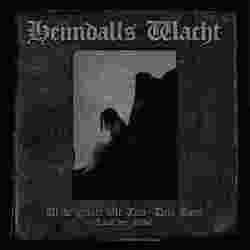

Buy on: Bandcamp
Type: Full-Length
Release Date: October 9th, 2015
Label: Black Skull Records
Genre: Avant-Garde, Experimental
1.
Prologue
2.
Shock & Awe
3.
GAT
4.
(I'm A) Suicide Bomber
5.
The Architects Of History
6.
Jahbulon
7.
The Lurking Fear
8.
Boneless
9.
Uphellia
10.
The Doom Engine
11.
Epilogue
1.
The Serpent
2.
The Angel
3.
The Adversary
4.
Germana Cele
5.
Annabelle
6.
Annaliese
7.
Leva In Mare
Review by Adam M on July 19, 2015.
This is a very solid promo in the vein of Falloch. There is a large post-metal aesthetic to Sisters Of..., though it is covered up by huge metallic riffs. This makes for an album that puts poignant emotion ahead of the rest of its elements. The instrumentation takes centre focus and makes up for the lack of vocals present. Through soundscapes, the band is able to craft their vision.
This is one of the most atmospheric entirely instrumental albums I’ve heard in some time. When there are vocals, they are subtle, in the background and complement the remainder of the music efficiently. The music on this release is all about dramatic atmosphere and not overly focused on the singing. Right from the track, The Adversary, one can sense the dense mood that this band surrounds itself within. This particular song recalls some of the more instrumental work of Tool (particularly in the bass work) and stands as a strong springboard for much of the other material on this album. The next song continues on a similar tangent before the album diverges into a number of areas that showcase great use of stylistic elements.
One of the great things about the material here is that it’s constantly changing and seeking new avenues of emotion. Also, there is a build up towards the later portions of the album meaning that a climax is definitely reached. There is a flaw in that the album is somewhat short and some of the items could have been developed even further. Luckily, the last song on The Serpent, The Angel and The Adversary is the superior Leva In Mare. This track is arguably the finest one to be found here and closes things on a high note. Overall, the release is a quality entry into the atmospheric metal genre.
Rating: 8 out of 10
Review by Adam M on July 19, 2015.
This is a very solid promo in the vein of Falloch. There is a large post-metal aesthetic to Sisters Of..., though it is covered up by huge metallic riffs. This makes for an album that puts poignant emotion ahead of the rest of its elements. The instrumentation takes centre focus and makes up for the lack of vocals present. Through soundscapes, the band is able to craft their vision.
This is one of the most atmospheric entirely instrumental albums I’ve heard in some time. When there are vocals, they are subtle, in the background and complement the remainder of the music efficiently. The music on this release is all about dramatic atmosphere and not overly focused on the singing. Right from the track, The Adversary, one can sense the dense mood that this band surrounds itself within. This particular song recalls some of the more instrumental work of Tool (particularly in the bass work) and stands as a strong springboard for much of the other material on this album. The next song continues on a similar tangent before the album diverges into a number of areas that showcase great use of stylistic elements.
One of the great things about the material here is that it’s constantly changing and seeking new avenues of emotion. Also, there is a build up towards the later portions of the album meaning that a climax is definitely reached. There is a flaw in that the album is somewhat short and some of the items could have been developed even further. Luckily, the last song on The Serpent, The Angel and The Adversary is the superior Leva In Mare. This track is arguably the finest one to be found here and closes things on a high note. Overall, the release is a quality entry into the atmospheric metal genre.
Rating: 8 out of 10