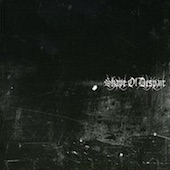
Yfel 1710 - Official Website


Black Metal Gnosis

Poland Country of Origin: Poland

Black Metal Gnosis
Send eMail
Buy on: Bandcamp
Type: Full-Length
Release Date: September 8th, 2025
Label: Societas Metal Cartel
Genre: Black
1. Witchcraft Commandment
2. Walka Ludzi Z Człowiekiem, Ilości Z Jakością
3. Black Metal Gnosis
4. Sam Sobie Ofiarowany
5. W Pogardzie Pospólstwa
6. Diabelskie Pakty
7. Klatka Na Ludzi
8. Nemezis


Review by Norbert on April 15, 2026.

Some time ago, I wrote that I greatly enjoy all of Kilmorh’s artistic endeavors. While they share a common denominator—his name and a foundation in black metal—each project diverges in its own distinct way. The exploratory, boundary-pushing black metal of Non Opus Dei is a different beast from the genre-purist approach of Yfel 1710, and both stand in stark contrast to Narrenwind’s eclectic melting pot of styles and forms.

In Narrenwind, Kilmorh isn’t responsible for the music—that role belongs to Ævil (also known for Sauron and Waresoul)—but rather for the lyrical dimension. And indeed, it is the written word that binds all three projects together. Despite exploring different themes, they share a striking originality and boldness. Whether it’s the diabolical, cosmological narratives infused with Nietzschean philosophy in Non Opus Dei, the cursed-poet aura of Narrenwind, or the fusion of Warmian folklore, misanthropy, occultism, and devilry in Yfel 1710, the result is always something unique, daring, and unconventional.

I got my hands on two new releases bearing the Kilmorh seal some time ago. Today, I’ll focus on the first.
Since its inception, Yfel 1710 has followed a clearly defined path: raw, uncompromising black metal rooted in the spirit of the second wave, elevated by distinctive and evocative lyrics. Black Metal Gnosis, released a few weeks ago via Societas, is the band’s third full-length and a natural continuation of their previous work. It doesn’t aim to reinvent the formula, but neither does it stagnate—you can hear a clear evolution, a deepening of atmosphere, and subtle shifts in emphasis.
This new album feels more atmospheric and measured, trading some of the icy ferocity of their debut and Zlatują Się Ćmy (Moths Arrive) for a more layered, immersive approach. The band still relies on classic elements—blast beats, melodic tremolo picking, and sharp, buzzing guitars—but these are now enriched with more expansive, atmospheric passages that add depth and dimension. The production remains raw and unpolished, preserving a sense of authenticity and menace. Echoes of the ’90s Norwegian scene are still present, though filtered through the cold, introspective aura of Warmia.

Lyrically, Yfel 1710 remains at its strongest. Kilmorh once again crafts dark, intricate narratives—this time leaning even further into metaphysical and gnoseological territory, reflecting on evil, humanity, and the spiritual dimension of history. Black Metal Gnosis unfolds as a unified work, closer to a philosophical treatise than a mere collection of songs. It feels monumental—a concept, a manifesto. The imagery is steeped in diabolical pacts, apocalyptic visions, and inverted spiritual rites, where the sacred and profane collapse into one another.

Kilmorh’s vocals remain one of the band’s most distinctive traits: aggressive, emotionally charged, and at times bordering on melodic declaration. They don’t just deliver the lyrics—they amplify them. There’s a palpable sincerity and commitment behind every line. Combined with the use of the Polish language, the vocals give the album a strong sense of identity and make it instantly recognizable even within the broader international scene.

Is Black Metal Gnosis Yfel 1710’s most mature work? It’s still too early to say—I need more time to fully absorb it. What’s certain is that this is not as direct or suffocating as its predecessor. Instead, it’s more reflective, balancing tradition with a deeper sense of identity. The album merges the raw essence of black metal with a spiritual and philosophical narrative, becoming something more than just music—a fully realized journey into knowledge through evil, where darkness and blasphemy serve as tools for contemplating humanity and its place within the sacred order.

Yfel 1710 once again proves that they are among the most compelling acts on the local scene.

Rating: 8.5 out of 10

   332